Get The Image is a lightweight yet highly practical WordPress plugin designed to simplify how featured images and media are retrieved and displayed across a website. From the very first use, Get The Image helps developers and content creators manage images more intelligently by automatically selecting, assigning, and displaying visuals based on structured logic.
Handling images in WordPress can become inefficient, especially on content-heavy websites where not every post has a properly assigned featured image. This often leads to inconsistent layouts, broken design elements, or missing visuals. Get The Image solves this by dynamically retrieving the most relevant image from a post, ensuring visual consistency across the site.
In practice, Get The Image is widely used by bloggers, publishers, and developers who want to maintain a clean and professional presentation without manually managing every image. For example, a blog with hundreds of articles can automatically display images even if some posts lack featured images.
Another important aspect is automation. Instead of relying on manual processes, Get The Image applies predefined rules to determine which image to display. This significantly reduces content management time while improving overall design consistency.
For developers, the plugin offers flexibility and control. It integrates seamlessly into themes and templates, allowing custom logic for image retrieval while maintaining performance efficiency.
In real-world workflows, teams often struggle with incomplete content where images are missing or inconsistently assigned. Get The Image ensures that every post maintains a visual element, improving both aesthetics and usability.
Another practical advantage is improved user engagement. Articles with images tend to perform better, and this plugin ensures that no content is left visually empty.
A deeper insight from real usage is that automated image handling reduces editorial bottlenecks, especially for large publishing teams.
Another real-world observation is that Get The Image helps maintain design integrity across dynamic content feeds, such as category pages or archives.
In high-volume publishing environments, this type of automation becomes essential for maintaining consistent output without increasing workload.
An additional practical benefit is improved content migration workflows. When moving content from another platform or theme, images may not always map correctly, and Get The Image helps fill those gaps automatically.
Another insight from real implementations is that consistent image handling improves perceived website quality, which can influence user trust and credibility.
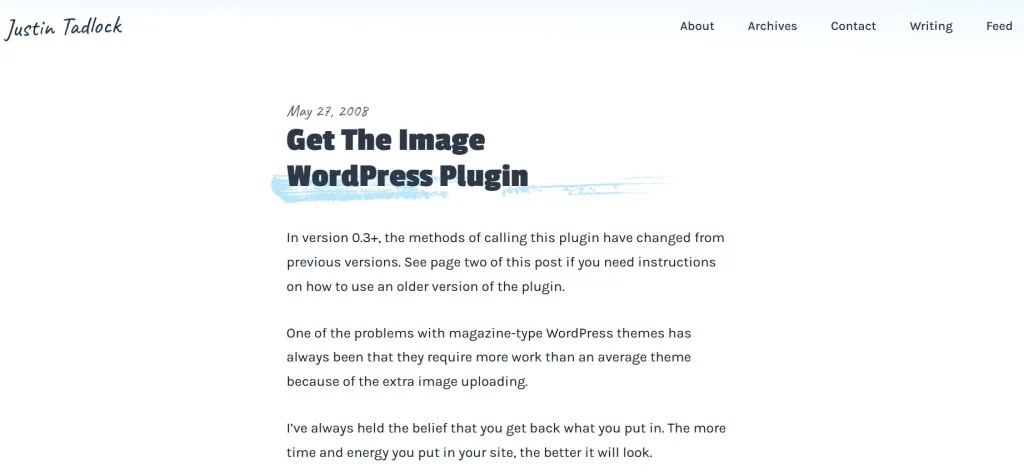
What is Get The Image?
Get The Image is a WordPress plugin that automatically retrieves and displays images for posts based on a defined hierarchy. At its core, it functions as an image management utility that ensures every piece of content has an appropriate visual representation.
The plugin works by scanning a post for available images, including featured images, attached media, and inline images. It then selects the most suitable image based on predefined logic and displays it where needed.
For example, if a post does not have a featured image, Get The Image can automatically use the first image found within the content. This ensures that the layout remains visually consistent without requiring manual updates.
Get The Image is particularly useful for:
- Blogs with large volumes of content
- News and publishing websites
- Developers building dynamic themes
- Content platforms with automated workflows
A common use case is a news website that publishes multiple articles daily. Instead of manually assigning images to every post, the plugin ensures that each article displays a relevant image automatically.
Another example is a developer building a custom theme. Get The Image can be integrated into templates to dynamically pull images, reducing the need for repetitive coding.
In practice, Get The Image simplifies image handling by automating a process that would otherwise require manual intervention.
Another important aspect is flexibility. Developers can customize how images are retrieved and displayed, allowing for tailored implementations.
In real workflows, the plugin is often used alongside content automation tools to streamline publishing processes.
Another practical application is improving archive pages, where consistent image display enhances user experience and navigation.
In advanced scenarios, Get The Image is used to create fallback systems that ensure no content appears without visuals, even in incomplete datasets.
Another real-world benefit is improved onboarding for content teams, as they no longer need to worry about missing images during publishing.
A deeper technical use case involves integrating the plugin into custom loops and queries, ensuring that dynamic content always includes images regardless of data source.
Another practical insight is that it helps standardize output across different authors, reducing inconsistencies in how images are handled within teams.
Key Features of Get The Image
- Automatic Image Retrieval
Get The Image automatically selects images from posts.
This ensures consistent visual presentation.
In practice, it retrieves featured or inline images.
This reduces manual effort.
It also ensures that no post appears without an image.
In real workflows, this is critical for large content libraries.
It also enables automated publishing systems to maintain quality without manual review. - Fallback Image System
The plugin uses fallback logic when no featured image is available.
It scans post content for images.
For example, it selects the first image found in the article.
This ensures visual consistency.
It prevents empty layouts.
This is especially useful for legacy content.
It also supports bulk content imports where images may not be properly assigned. - Theme Integration Support
Get The Image integrates with WordPress themes.
Developers can use it in templates seamlessly.
For example, dynamic image retrieval can be added to loops.
This improves flexibility.
It supports custom implementations.
This is essential for advanced theme development.
It also allows developers to standardize image handling across multiple themes. - Lightweight Performance
The plugin is optimized for speed.
It does not add unnecessary load.
In practice, it works efficiently even on large sites.
This improves overall performance.
It supports SEO.
It also reduces server resource usage.
This makes it ideal for high-traffic publishing platforms. - Customizable Retrieval Logic
Developers can define how images are selected.
This allows tailored implementations.
For example, priority can be given to specific image types.
This improves control.
It supports advanced workflows.
This flexibility is valuable in complex projects.
It also allows conditional logic based on content type or category. - Consistent Layout Support
The plugin ensures all posts display images.
This improves design consistency.
For example, archive pages remain visually balanced.
This enhances user experience.
It supports branding.
It also improves visual hierarchy.
This is especially important for grid-based layouts. - Compatibility with Content Systems
Get The Image works with various WordPress setups.
This includes custom post types.
For example, it can retrieve images for portfolios.
This ensures flexibility.
It supports diverse use cases.
It integrates well into complex sites.
This makes it suitable for enterprise-level implementations. - Efficient Media Handling
The plugin manages image retrieval efficiently.
This reduces redundant processing.
For example, it avoids duplicate queries.
This improves performance.
It ensures scalability.
It is suitable for high-traffic environments.
It also helps maintain stable performance under heavy load.
Benefits of Using Get The Image
Get The Image provides several practical benefits that improve both workflow efficiency and website presentation. One of the most important advantages is automation. By automatically handling image retrieval, the plugin reduces the need for manual content management.
This leads to improved efficiency. Content teams can focus on publishing rather than fixing missing images.
Another key benefit is consistency. Every post displays an image, which improves visual balance and user experience.
From a performance perspective, the plugin is lightweight and optimized. This ensures fast loading times and stable operation.
User experience is also enhanced. Visitors are more likely to engage with content that includes visuals.
In real workflows, these benefits reduce editorial bottlenecks and improve productivity.
Another advantage is scalability. As content grows, the plugin continues to manage images effectively.
Additionally, Get The Image supports SEO by ensuring that posts include visual elements.
Another important benefit is improved layout stability, especially on archive and category pages.
Another practical advantage is faster content updates, as missing images no longer require manual fixes.
A deeper benefit is improved workflow automation, allowing teams to manage large content volumes efficiently.
Another real-world advantage is reduced error rates in publishing, leading to higher quality output.
Another operational benefit is improved consistency across multi-author platforms, where content standards can vary.
Another insight is better performance in content feeds and widgets, where image presence improves click-through rates.
Real Use Cases of Get The Image
Get The Image is widely used across different industries and content types. Bloggers use it to ensure every article has a visual element.
News websites rely on it to maintain consistent image display across articles.
Developers use it to build dynamic themes with automated image handling.
Agencies use it to manage multiple client websites efficiently.
Another practical use case is archive pages, where consistent images improve navigation.
In real scenarios, freelancers use Get The Image to simplify content workflows.
Another example is startups managing content with limited resources.
A practical workflow scenario involves automated publishing systems.
Another real-world example is content-heavy platforms maintaining visual consistency.
Another use case involves portfolio sites displaying project images dynamically.
A practical example includes educational websites organizing visual content.
Another scenario involves affiliate blogs ensuring all posts have images.
Another real-world use case is content migration projects where thousands of posts need visual consistency without manual updates.
Another scenario involves aggregator websites pulling content from multiple sources and needing a consistent image system.
How to Install Get The Image
Installing Get The Image is straightforward and follows standard WordPress procedures.
Download the plugin from Pluginpro.org.
Upload it via the WordPress dashboard.
Install and activate the plugin.
Integrate it into theme templates if needed.
Configure image retrieval settings.
Test functionality across pages.
In real workflows, developers use staging environments before deployment.
Another step is configuring fallback logic early.
Users often test different scenarios.
Teams validate image display across content types.
Another step is documenting setup configurations.
A practical workflow includes testing performance impact.
Another important step is verifying compatibility with themes.
In real scenarios, developers also test edge cases such as posts without media or imported content.
Another practical step is reviewing how images display in archive loops and widgets.
Why Buy Get The Image at Pluginpro.org
Purchasing Get The Image at Pluginpro.org offers a strong advantage for users who want a cost-effective and scalable solution for image management. One of the most immediate benefits is affordability. Instead of relying on premium alternatives or custom development, users can access this functionality at a significantly reduced cost.
In real-world scenarios, agencies managing multiple websites often need consistent image handling across projects. Implementing custom logic for each site can be time-consuming and expensive. Pluginpro.org allows them to deploy Get The Image quickly across multiple environments, reducing both cost and development time.
Another important benefit is centralized workflow management. Pluginpro.org simplifies access to plugins, allowing teams to manage tools efficiently without dealing with multiple vendors or licensing systems. This reduces administrative overhead and improves operational efficiency.
For freelancers, this means faster project execution. They can install Get The Image immediately and implement automated image handling without delays. This is particularly useful when working on large content migrations or rebuilding existing websites.
Security is also a key factor. Pluginpro.org provides clean and verified plugin files, ensuring safe installations and reducing the risk of vulnerabilities. In practice, this helps maintain website stability and protects content integrity.
Scalability is another major advantage. As websites grow and content volumes increase, manual image management becomes impractical. Get The Image, combined with Pluginpro.org access, allows users to scale their workflows without increasing complexity.
Consider a scenario where a publisher manages thousands of articles. Assigning featured images manually would require significant resources. With Get The Image from Pluginpro.org, the entire process can be automated, saving time and ensuring consistency.
Another practical example involves theme development. Developers can integrate Get The Image into templates and reuse the logic across multiple projects without worrying about licensing restrictions.
Another real-world advantage is faster onboarding for team members, as the plugin reduces the need for training on image management processes.
Additionally, Pluginpro.org simplifies long-term maintenance by providing easy access to updates and compatibility improvements.
Another strategic benefit is improved productivity. Teams can handle larger content volumes without increasing workload.
Another operational advantage is reduced reliance on custom development, which lowers costs and simplifies maintenance.
Another key insight is improved profitability for agencies managing large-scale publishing systems, as automation reduces labor costs significantly.
Another real-world benefit is the ability to standardize image handling across all projects, ensuring consistent output regardless of team size.
Is Get The Image Worth It?
Yes, Get The Image is worth it for anyone managing content-heavy WordPress websites.
The plugin is particularly valuable for publishers, developers, and agencies that need consistent image handling. By automating image retrieval, it reduces manual work and improves content presentation.
In a practical scenario, a blog with hundreds of posts can use Get The Image to ensure every article has an image, improving engagement and SEO performance.
Another important factor is long-term efficiency. Once implemented, the plugin continues to manage images automatically without requiring ongoing adjustments.
From a performance perspective, Get The Image is lightweight and efficient, ensuring minimal impact on site speed.
For agencies, the value becomes even more evident when managing multiple projects. Reusable logic and consistent implementation create a strong competitive advantage.
In real-world terms, Get The Image simplifies workflows and reduces operational complexity.
Another key advantage is improved user experience through consistent visuals.
Additionally, the plugin supports evolving content strategies, allowing users to adapt without rebuilding systems.
Another real-world benefit is faster content publishing, as image management no longer slows down workflows.
Another practical advantage is improved design consistency across all pages.
Another insight is that automated image handling directly contributes to better engagement metrics, especially on content feeds and archive pages.
Another operational benefit is reduced dependency on editorial oversight for image management, allowing teams to scale faster.
Conclusion
Get The Image stands out as a practical and efficient solution for managing images in WordPress. By combining automation, flexibility, and performance, it simplifies a critical aspect of content management.
From small blogs to large publishing platforms, Get The Image adapts to different needs while maintaining consistency and efficiency.
In real-world applications, it consistently improves workflow efficiency and content presentation.
When combined with the affordability of Pluginpro.org, Get The Image becomes an even more compelling choice.
Ultimately, Get The Image is not just a utility plugin—it is a foundational tool for scalable and efficient content management.
From a strategic perspective, adopting Get The Image allows teams to automate workflows, reduce errors, and deliver consistent results across all content.