
Alpus Core is a powerful companion plugin designed to extend the functionality of WordPress themes, particularly those built for high-performance websites and advanced customization. In practice, Alpus Core acts as the backbone that enables dynamic features, custom elements, and deeper control over how a website behaves and looks.
For many WordPress users, themes alone are not enough to deliver complex layouts or advanced features. While themes handle the visual layer, plugins like Alpus Core provide the functional layer that brings those designs to life. This separation allows for more flexibility and scalability in modern website development.
A common challenge in WordPress development is managing multiple plugins for different functionalities. This often leads to compatibility issues and performance slowdowns. Alpus Core addresses this by consolidating essential features into a single, optimized plugin that integrates seamlessly with supported themes.
In real-world scenarios, developers and agencies rely on Alpus Core to streamline workflows. Instead of installing several plugins for custom post types, widgets, and design elements, they can use Alpus Core as a centralized solution. This reduces complexity and improves site stability.
Another key advantage is performance optimization. Since Alpus Core is designed to work closely with specific themes, it avoids unnecessary code bloat and ensures that only required features are loaded. This contributes to faster loading times and better overall performance.
From a user perspective, Alpus Core simplifies customization. Even users without coding knowledge can access advanced design and layout options through intuitive interfaces. This makes it easier to create professional websites without relying heavily on developers.
In practice, many businesses use Alpus Core to build scalable websites that can evolve over time. Whether it is an eCommerce store, a corporate site, or a portfolio, the plugin provides the flexibility needed to adapt and grow.
Another practical benefit is long-term maintainability. By using a unified system like Alpus Core, website owners can manage updates and features more efficiently, reducing the risk of conflicts between multiple plugins.
In real production environments, Alpus Core is often implemented as part of a standardized development stack. Agencies build repeatable systems where themes and core plugins work together, allowing faster deployment and predictable results across projects.
Another workflow improvement is reduced debugging time. When multiple plugins are replaced by a centralized solution like Alpus Core, identifying issues becomes easier because there are fewer variables involved.
What is Alpus Core?
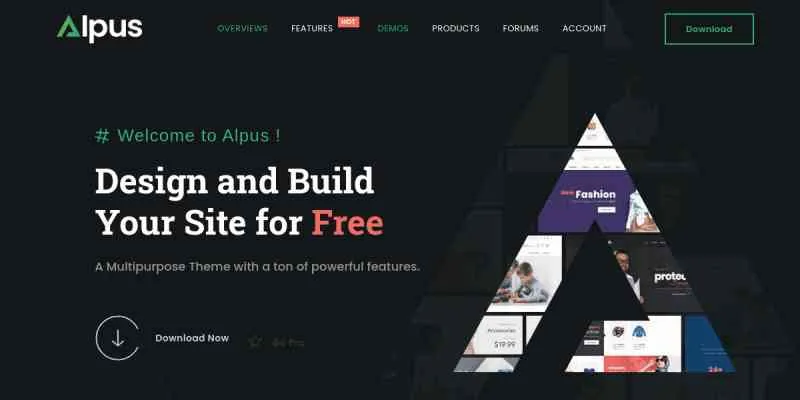
Alpus Core is a WordPress plugin that provides essential features and enhancements for compatible themes, enabling advanced customization and functionality. It serves as a central hub for managing design elements, widgets, and dynamic content within a WordPress site.
At its core, Alpus Core is designed to bridge the gap between design and functionality. While a theme defines how a website looks, Alpus Core ensures that interactive elements and advanced features work seamlessly. This combination allows users to build more sophisticated websites without complex coding.
Alpus Core is particularly useful for developers, agencies, and business owners who need more control over their websites. For example, an eCommerce store can use Alpus Core to create custom product layouts, dynamic content sections, and interactive elements that enhance the shopping experience.
Another strong use case is corporate websites. Businesses can use Alpus Core to build structured pages with custom sections, such as services, team profiles, and case studies. This helps present information in a clear and professional manner.
Freelancers and designers also benefit from Alpus Core. It allows them to create unique layouts and design elements without relying on multiple third-party plugins. This simplifies project management and reduces potential compatibility issues.
In practice, Alpus Core acts as a toolkit that enhances the capabilities of WordPress. It provides the building blocks needed to create dynamic and visually engaging websites.
Another important aspect is scalability. As websites grow, the need for additional features increases. Alpus Core supports this growth by offering flexible tools that can be expanded as needed.
In real-world workflows, Alpus Core is often integrated into theme-based development processes. Developers use it to standardize features across multiple projects, ensuring consistency and efficiency.
Another practical application is modular site building. Instead of creating static pages, developers use Alpus Core components to build reusable sections that can be applied across different pages.
Key Features of Alpus Core
- Custom Widgets and Elements
Alpus Core includes a wide range of widgets and elements that can be used to build dynamic layouts. These elements integrate with page builders, allowing users to create complex designs without coding.
In practice, users can add sections such as testimonials, product showcases, or interactive banners with minimal effort.
For example, an online store can display featured products using customizable widgets that align with branding.
This reduces the need for separate plugins and simplifies the design process.
In real-world scenarios, these widgets are often reused across multiple pages, reducing design time and ensuring consistency. - Advanced Layout Control
The plugin provides tools for controlling page layouts, including headers, footers, and content sections. Users can customize these elements to create unique designs.
In real-world usage, this allows businesses to maintain a consistent design across all pages while still adapting layouts for specific purposes.
For instance, landing pages can have different structures compared to blog pages, improving conversion rates.
In practice, marketers often use this feature to create targeted landing pages for campaigns without affecting the main website layout. - Integration with Page Builders
Alpus Core works seamlessly with popular page builders, enabling drag-and-drop customization.
This makes it accessible to users without technical expertise while still offering advanced capabilities.
In practice, designers can quickly prototype and implement layouts, reducing development time.
A real workflow example includes building multiple page variations for testing different user experiences and optimizing conversions. - Performance Optimization
The plugin is optimized to load only necessary features, reducing unnecessary code and improving site speed.
This is particularly important for websites with high traffic or complex layouts.
In real scenarios, faster loading times lead to better user experience and improved SEO rankings.
Additionally, performance optimization helps reduce server load, which is critical for large-scale websites. - Dynamic Content Features
Alpus Core supports dynamic content, allowing users to create personalized and interactive website elements.
For example, content can be displayed based on user behavior or specific conditions.
This enhances engagement and provides a more tailored experience for visitors.
In practice, eCommerce sites use this feature to show personalized product recommendations or targeted promotions. - Custom Post Types and Taxonomies
The plugin allows users to create custom post types and taxonomies, enabling better content organization.
In practice, this is useful for websites that manage different types of content, such as portfolios, products, or case studies.
This feature helps maintain structure and improves content management efficiency.
For example, agencies can separate client projects from blog posts, making navigation clearer for visitors. - Theme-Specific Enhancements
Alpus Core is designed to work closely with compatible themes, providing additional features and optimizations.
This ensures seamless integration and avoids compatibility issues.
In real-world usage, this results in a more stable and efficient website.
It also allows developers to unlock theme-specific features that would not be available otherwise. - User-Friendly Interface
Despite its advanced capabilities, Alpus Core offers an intuitive interface that simplifies customization.
Users can access features through clear menus and settings, reducing the learning curve.
This makes it suitable for both beginners and experienced developers.
In practice, this reduces training time for teams and allows faster onboarding for new users.
Benefits of Using Alpus Core
Using Alpus Core provides several practical benefits for WordPress users. One of the most significant advantages is efficiency. By consolidating multiple features into a single plugin, it reduces the need for additional tools and simplifies site management.
Another benefit is improved performance. Optimized code and selective feature loading ensure that websites run smoothly, even with complex designs.
Alpus Core also enhances flexibility. Users can create custom layouts and features without being limited by default theme options.
From a workflow perspective, the plugin speeds up development. Designers and developers can implement features quickly, reducing project timelines.
Additionally, Alpus Core supports scalability. As websites grow, users can add new features without restructuring the entire system.
In real-world usage, businesses often experience reduced maintenance time after adopting Alpus Core. With fewer plugins to manage, updates and troubleshooting become more straightforward.
Another important outcome is improved consistency. By using a unified system, teams can maintain design and functionality standards across multiple projects.
A practical benefit is improved collaboration. Designers and developers can work within the same framework, reducing miscommunication and ensuring that design intent is accurately implemented.
Another operational advantage is better long-term planning. Since Alpus Core supports scalable architecture, businesses can expand features gradually without needing a complete rebuild.
Real Use Cases of Alpus Core
Alpus Core is widely used in eCommerce websites to create dynamic product displays and customized shopping experiences. For example, store owners can design unique product pages that highlight key features and promotions.
Agencies use Alpus Core to build client websites efficiently. By standardizing features, they can deliver consistent results while reducing development time.
Corporate websites benefit from Alpus Core by using custom post types to organize content such as services, team members, and case studies.
Freelancers and designers use the plugin to create personalized portfolios with advanced layouts and interactive elements.
Content-driven websites can use Alpus Core to structure articles and categories effectively, improving navigation and user experience.
In practice, many developers use Alpus Core as a base framework for building scalable websites. This allows them to reuse components and maintain consistency across projects.
Another practical scenario involves landing page optimization. Marketers can use dynamic elements and custom layouts to create high-converting pages tailored to specific campaigns.
Additionally, membership platforms use Alpus Core to create gated content areas, providing exclusive access to premium users and enhancing monetization strategies.
How to Install Alpus Core
Installing Alpus Core follows the standard WordPress plugin installation process.
First, download the Alpus Core plugin file from a trusted source such as Pluginpro.org. Ensure that the file is in ZIP format.
Next, log in to your WordPress dashboard and navigate to the Plugins section. Click on “Add New” and choose “Upload Plugin.” Upload the ZIP file and click “Install Now.”
Once installed, activate the plugin to enable its features.
After activation, configure the plugin settings according to your needs. This may include enabling specific features, setting up widgets, or integrating with your theme.
You can then start using Alpus Core to customize your website. Add elements, adjust layouts, and create dynamic content as needed.
Finally, test your website to ensure that all features are working correctly and that performance is optimized.
In real-world workflows, many users begin by enabling only the features they need. This helps maintain performance and avoids unnecessary complexity.
Another useful step is integrating Alpus Core with a page builder early in the setup process. This allows users to take full advantage of its design capabilities from the start.
A practical setup strategy is creating reusable templates for pages and sections. This speeds up development and ensures consistency across the site.
Another important step is testing features in a staging environment before applying them to a live site, which helps prevent disruptions.
Why Buy Alpus Core at Pluginpro.org
Buying Alpus Core at Pluginpro.org offers a clear advantage for users who want premium functionality without the typical cost barriers. For agencies and developers managing multiple projects, this translates into immediate savings and greater flexibility in deployment.
In real-world scenarios, purchasing individual plugin licenses for each website can quickly become expensive. This is especially true for agencies handling multiple client sites simultaneously. Pluginpro.org removes this limitation by allowing usage across unlimited websites, making it a highly cost-effective solution for scaling operations.
Another important benefit is file integrity. Pluginpro.org ensures that all plugin files are clean and secure, which is critical when dealing with core functionality plugins like Alpus Core. A compromised plugin could affect the entire website, so having verified files significantly reduces risk.
From a workflow perspective, Pluginpro.org simplifies project execution. Developers can install Alpus Core across multiple websites without worrying about license restrictions or renewals. This reduces administrative overhead and allows teams to focus on design and development.
Additionally, Pluginpro.org provides streamlined access to updates. Keeping Alpus Core updated ensures compatibility with the latest WordPress versions and themes, which is essential for maintaining performance and stability.
Another real-world advantage is the ability to standardize development processes. Agencies often use the same set of tools across projects to maintain consistency. With Pluginpro.org, they can deploy Alpus Core as part of a standardized workflow without additional costs.
For freelancers, this also reduces upfront investment. Instead of purchasing expensive licenses, they can access professional tools at a lower cost and allocate resources to other aspects of their business, such as marketing or client acquisition.
Another key benefit is faster project turnaround. Since Alpus Core can be deployed instantly without licensing delays, developers can begin building immediately, which improves delivery timelines.
In practical scenarios, this also enables experimentation. Users can test different layouts, features, and site structures without worrying about additional expenses, which supports innovation and optimization.
Another strategic advantage is long-term cost control. Businesses can maintain a consistent toolset across projects without recurring licensing concerns, which improves financial planning and scalability.
Is Alpus Core Worth It?
Yes, Alpus Core is worth it for anyone who needs advanced customization and functionality within WordPress.
It is particularly valuable for developers, agencies, and businesses that require scalable and flexible website solutions. The plugin provides essential tools that simplify complex tasks and improve overall workflow efficiency.
A practical example would be an agency building multiple client websites. With Alpus Core, they can standardize features and reduce development time while maintaining high-quality results.
For users with very simple websites, the plugin may offer more features than necessary. However, for projects that require customization and scalability, the benefits clearly outweigh the complexity.
Another important factor is long-term usability. Alpus Core supports evolving website needs, allowing users to add new features and expand functionality without major restructuring.
It also reduces reliance on multiple plugins. By consolidating features into a single system, users can maintain better control over performance and compatibility.
In real-world usage, this leads to more stable websites with fewer conflicts and easier maintenance.
Additionally, Alpus Core supports continuous optimization. Users can refine layouts, test new elements, and improve user experience over time without rebuilding the entire site.
Another practical benefit is team efficiency. When teams use a unified system, collaboration becomes smoother and project timelines become more predictable.
Conclusion
Alpus Core provides a comprehensive solution for enhancing WordPress functionality and customization. It bridges the gap between design and performance, enabling users to build dynamic and scalable websites.
What makes Alpus Core particularly valuable is its ability to simplify complex processes. By consolidating features into a single plugin, it reduces the need for multiple tools and improves workflow efficiency.
As websites become more sophisticated, having a reliable core plugin is essential. Alpus Core delivers this by offering flexibility, performance, and ease of use.
For developers, agencies, and businesses, Alpus Core offers a practical and scalable solution that supports long-term growth and success.